
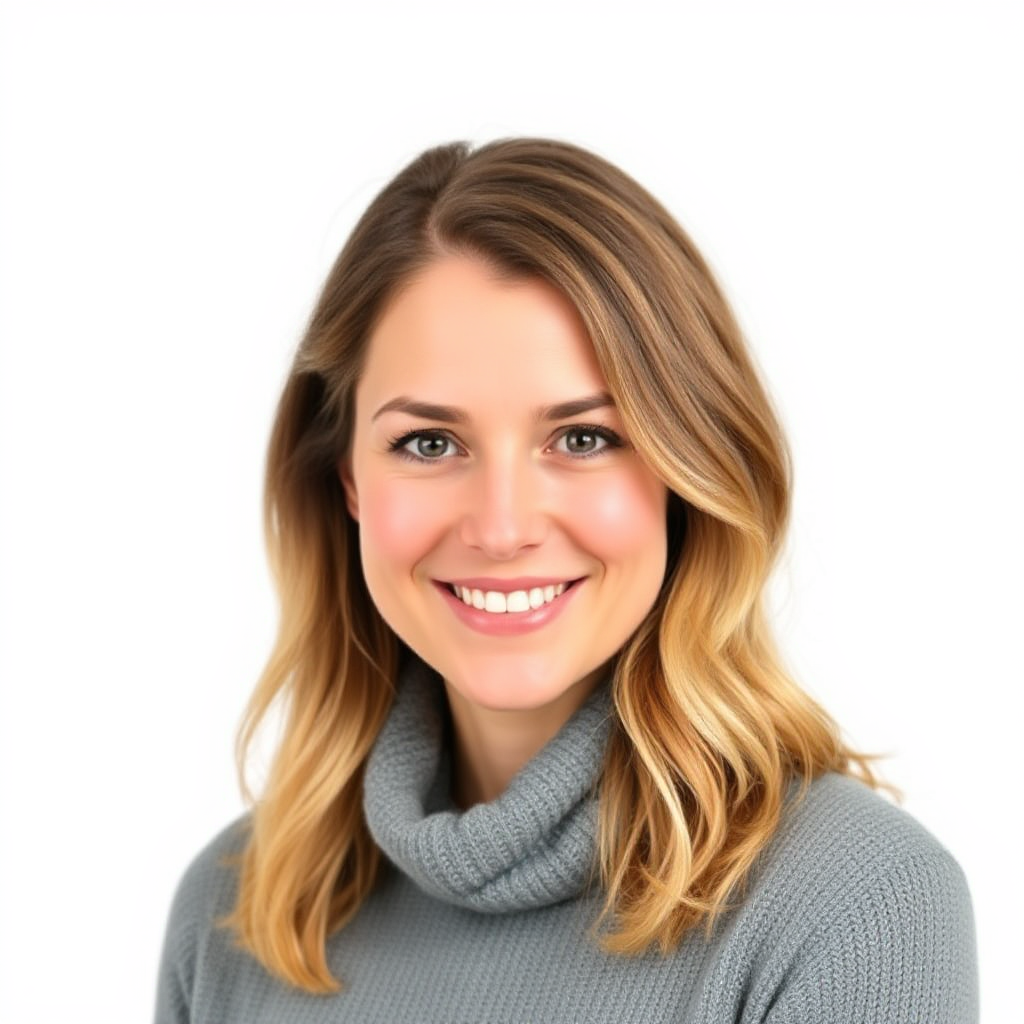
Berlin-born bantamweight Zeina Nassar is set to make her professional debut in Pakistan this Wednesday.
Zeina Nassar assembled her parents in their Berlin living room, notes in hand, to make a compelling case for her boxing aspirations.
Inspired by online footage of women boxers, the 13-year-old felt drawn to the rhythm and power of the sport.
"I watched it over and over," Nassar, now 27, recalls. "I knew this was my calling".
Thus, Nassar made her argument with the fervor of a youthful lawyer, pleading for her destiny.
"I explained it would boost my focus in school, that I'd only train at a nearby all-girls gym, and that boxing taught respect and discipline," she remembers.
While her parents were convinced, winning them over proved to be the easier part.
A German-born individual of Lebanese descent, Nassar, a Muslim adolescent dedicated to her hijab, found her greatest test awaited beyond her family.
Upon joining her neighborhood gym, she encountered rules barring hijabs in matches at both national and global levels, compelling her to fight for inclusion.
"They demanded I opt for my hijab or my athletic pursuit," she notes. "I questioned, why the forced choice? I'm not endangering others. All I desire is to box".
This inclination to challenge inequity would define her professional journey.
In her professional initiation in Pakistan on Wednesday, Nassar will sport her hijab and full coverage, aided by boxing great Roy Jones Jr. as mentor and trainer.
She is considered the inaugural case, given the absence of prominent hijab-clad women in pro boxing, amplifying the significance of her first fight.
An impressive feat for a youth armed with a PowerPoint and aspirations.
How Hijab-Wearer Nassar Rewrote the Regulations
At only 14, Nassar played a key role in modifying German amateur boxing rules, enabling her to compete in long sleeves and a headscarf.
But as she entered the ring for her initial amateur match, adrenaline flowing, she sensed the stares directed at her.
"I saw numerous people staring," she states. "A few told me I was unable to box this way, and I replied 'excuse me, we recently changed the regulations'".
"I couldn't comprehend it—the focus should be on my ability and ring performance. Yet, numerous people were resistant".
Nassar succeeded in boxing and changed outlooks, becoming a repeated Berlin winner and national champion while staying faithful to her principles.
But when the International Boxing Association (IBA) invited her to the European Championships, she faced another barrier, as hijabs remained banned internationally.
So at 19, she began campaigning to alter the rules on the world stage.
"Germany didn't stand by me," she notes. "But I remained ambitious. I demanded the same equity as any athlete".
By 2019, the IBA revoked the hijab prohibition, and with Olympic boxing overseen by World Boxing, hijabs and full attire are permitted.
"Thanks to me, every woman in amateur boxing can now fight with a hijab and be themselves," Nassar declares. "That's my greatest triumph".
Professional Boxing Guidelines on Hijabs
Nassar's efforts changed the amateur landscape, and in 2017, she was spotted by Nike, who made her a model for their innovative athletic hijab.
But what about the professional level? What do the rules say? Could a hijab pose risks? Might it provide any benefit?
Under the WBO, local commissions handle attire, and the IBF does not have detailed rules for religious headgear.
In the UK, the British Boxing Board of Control permits hijabs made for athletic use.
German Boxing Federation leader Oliver Wittmann notes scarce examples but voices anxiety about security and a hijab falling off in combat.
Nassar answers Wittmann's comments based on her record: "In around 100 amateur contests, it has never created a problem," she explains.
Medical authorities support this. "It's not a concern," asserts Professor Mike Loosemore, who worked as Team GB's medical lead.
"Hijabs are crafted from light, breathable material," he said. "I see no issue with boxers wearing hijabs.
"They're safe and don't pose problems for the boxer or opponent".
The Unanticipated Choice of Pakistan for a Four-Day Boxing Tournament
While Pakistan isn't usually associated with international boxing, more than 20,000 spectators are expected in Lahore during a four-day pro boxing series.
With Punjab government backing, the tournament will showcase both homegrown and overseas boxers, like UK representatives Alex Dilmaghani, Jimmy Kelly, and James Metcalf.
Nassar calls it a "privilege" to fight in a Muslim country.
"Boxing is inclusive," remarks Chris Glover, the Liverpudlian event creator. "Whether Zeina dons a hijab or a cowboy hat, I'm fine with it. She's a pioneer".
In her corner will be Jones Jr., the four-weight world champion turned coach, whom Nassar first met at an IBA event years ago.
"It was unreal sitting near him," she grins.
"He proceeded to show me skills, giving advice, and we stayed connected. He's imparted knowledge on agility, force, and faith".
Nassar aims high, targeting a world title in six or seven bouts.
And considering the barriers she's already surmounted, it's unwise to doubt her.

